

For the vagus nerve stimulators most people are actually shopping for, the everyday devices sold for stress and sleep, the honest answer is no: standard health insurance won’t pay for them. It treats them as wellness gadgets rather than covered medical equipment.
That’s the short version, but it isn’t the whole story, and the fuller answer can save you money. There’s a clear line between a consumer device you buy for relaxation and a prescription or implanted device a doctor orders for a diagnosed condition, and the two are covered completely differently.
Here’s exactly what insurance will and won’t pay for, and the pre-tax route that does work for the everyday devices.
Does insurance cover a consumer vagus nerve stimulator?
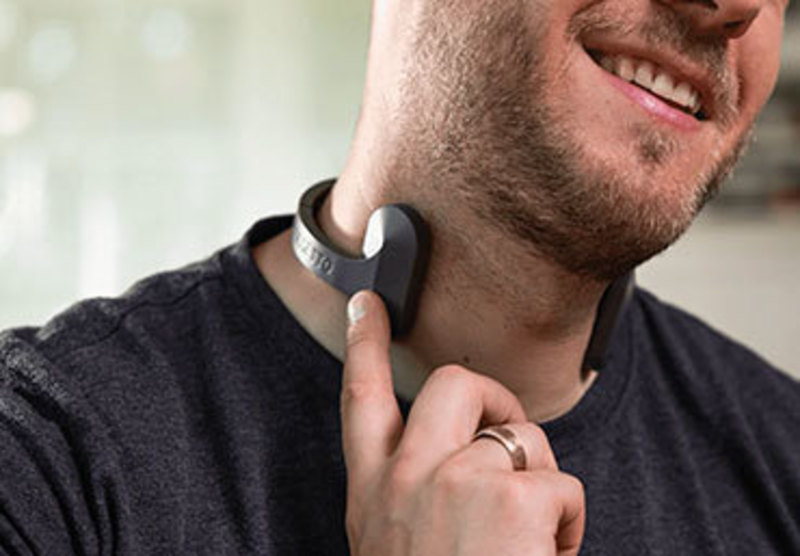
For the popular at-home devices, the neck collars and handheld units marketed for calm, stress and better sleep, standard health insurance does not provide coverage. Insurers classify them as general wellness products, and wellness products sit outside what a medical plan reimburses.
That’s true even when a device has real research behind it. The category these devices compete in is consumer electronics for relaxation, not prescribed medical treatment, so there’s no billing code an insurer pays against.
So if your goal is everyday stress relief or winding down for sleep, plan to buy the device yourself. The good news is there’s a legitimate way to use pre-tax money for it, which is the next section.
The exception: prescription and implanted VNS
There’s a genuinely different category that insurance can cover, and it’s worth understanding so the distinction is clear.
Implanted VNS is a surgical device, placed by a specialist and prescribed for conditions like epilepsy or treatment-resistant depression. When a doctor documents it as medically necessary, insurance may cover it, but it’s a major medical procedure that can run into the tens of thousands of dollars, not a gadget you order online.
Prescription non-invasive VNS is the middle ground. The gammaCore device is FDA cleared for cluster headache and the acute treatment of migraine, and it’s prescription-only. Even here, coverage is inconsistent, because many insurer reimbursement policies were written before this newer non-invasive technology existed. If you have a qualifying headache diagnosis, it’s a conversation to have with your neurologist and your insurer, not a safe assumption.
The route that actually works: HSA and FSA
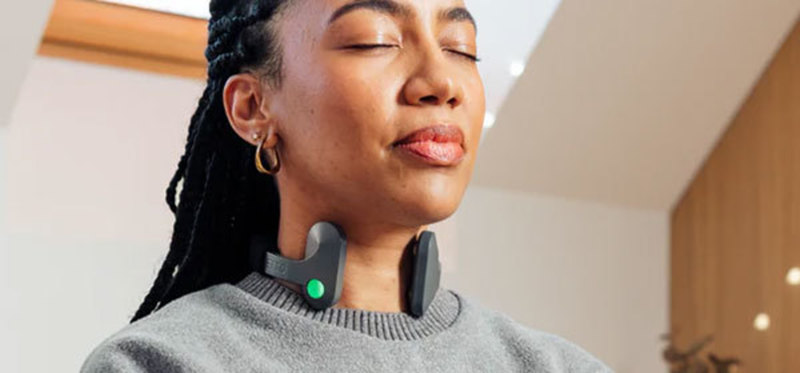
Here’s the part most people miss. Even though insurance won’t reimburse a consumer device, many of them are HSA and FSA eligible, which lets you pay with pre-tax health dollars and effectively save around 30%.
The Pulsetto neck-collar stimulator is a good example of how it works. Through a partner like Truemed, you answer a short health survey at checkout that a licensed provider reviews to confirm eligibility. You then pay with your HSA or FSA card, or pay normally and submit the purchase for reimbursement using the Letter of Medical Necessity the service provides.
That’s the practical answer to the money question. You’re not getting an insurer to cover it, but you are using untaxed dollars you’d otherwise lose, which is the closest thing to a discount on a device like this.
What a consumer device actually costs
Consumer vagus nerve stimulators are the affordable tier, which is part of why insurance never enters the picture. The Pulsetto runs about $269 as a one-time purchase, and rivals like Truvaga sit around $299, with no subscription to keep using them.
Pulsetto asks for short daily use, sessions of 4 to 10 minutes, and it’s backed by a 2025 randomized pilot study, averaging about 4.2 out of 5 across more than 3,000 Trustpilot reviews. Whether it earns its price is a separate question from insurance, and we dig into it in our guides on whether Pulsetto is worth it and whether Pulsetto really works.
Set against a prescription device you keep paying for or a surgical implant that runs into the tens of thousands, a sub-$300 device you buy once, ideally with pre-tax dollars, is the option that fits most people’s actual goal of everyday calm and sleep.
The bottom line
Will insurance pay for a vagus nerve stimulator? Not for the everyday consumer devices, which insurers treat as wellness products. Coverage is realistic only for prescription or implanted VNS ordered for a diagnosed medical condition, and even the prescription gammaCore faces patchy insurer policies.
For the relaxation-and-sleep devices most people want, the smart move is to buy the device and use HSA or FSA dollars where you can. A consumer unit like the Pulsetto covers that everyday need for about $269, and you can compare the field in our best vagus nerve stimulator roundup or see why the medical-grade options cost so much more in why Nurosym is so expensive. There’s more in our sleep hub.