
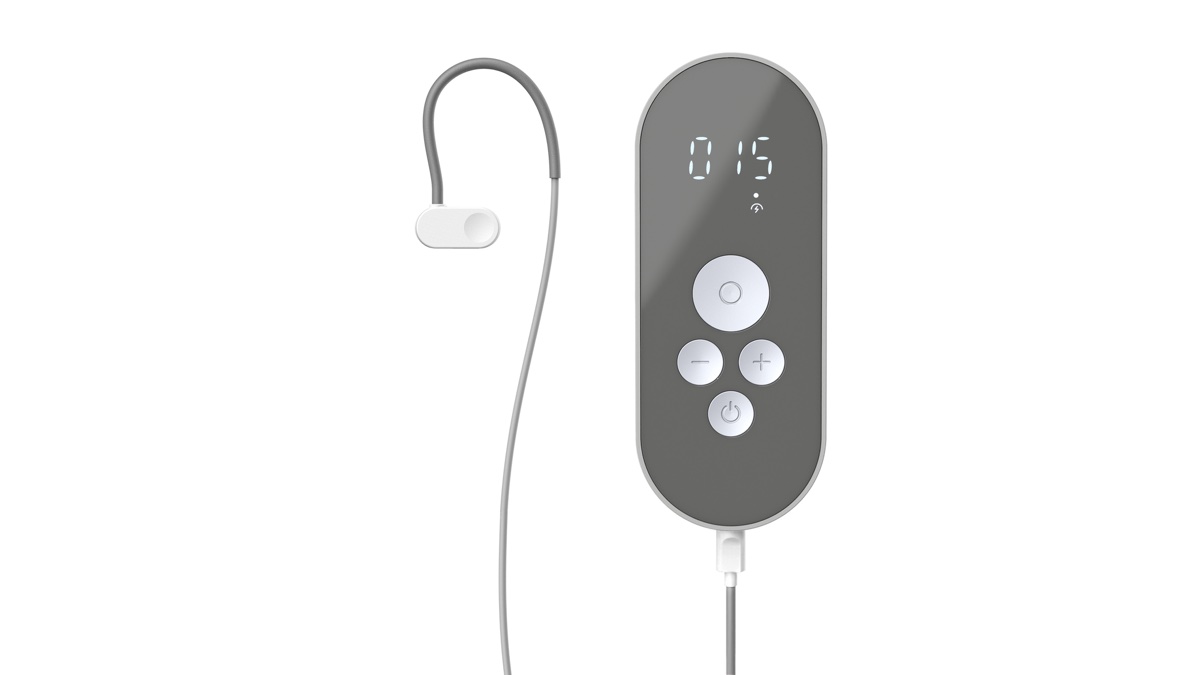
Does Nurosym actually work? For what it’s built to do, the honest answer is yes, with real limits worth understanding before you spend about $900 on it. Nurosym is a certified vagus nerve stimulator with a genuine research file, and its own studies report people feeling less fatigued and less anxious after regular use.
That’s the short version. The longer one matters, because “works” means something specific here, and it’s easy to read more into a device than the evidence supports.
Here’s what Nurosym really does, where the science is strong and where it’s still early, and why a much cheaper device covers the everyday version of the same job. (If you’ve searched “neurosym,” that’s just the common misspelling of the same device.)
What Nurosym is, in one paragraph
The Nurosym is a transcutaneous auricular vagus nerve stimulator, an ear clip that sends a gentle electrical pulse to a branch of the vagus nerve in your outer ear. That nerve helps run your body’s rest-and-recover system, so the idea is to nudge it toward calm. It’s a CE-marked Class IIa medical device, sold in the US as the NuroPod for roughly $900.
Unlike an implanted stimulator, nothing goes under your skin. You clip it on, run a session, and take it off.
So does the science back it up?
Here’s the fair read. Vagus nerve stimulation as a whole is well established: the FDA has approved implanted VNS for epilepsy and treatment-resistant depression, and in epilepsy roughly half of patients see their seizures cut by more than 50%. That’s the deep end of the evidence, and it uses surgical implants, not an ear clip.
Nurosym sits in a newer, non-invasive category. The company says its AVNT technology was developed with more than 100 institutions, naming Harvard, UCLA, and Bart’s Health NHS Trust among its research partners.
Its own studies report specific, modest results: lower self-reported fatigue after 10 days of use, and reduced anxiety scores among participants. There’s also an ongoing trial comparing it with another stimulation device for somatic symptom disorder.
Be precise about what that adds up to. The research is real and the mechanism is plausible, but a lot of the consumer-facing evidence is early or self-reported. Nurosym is best understood as a research-backed wellness and recovery device, not a proven treatment for any condition.
Who it actually works for
If your goal is serious, and you want a certified medical device with the longest evidence trail behind non-invasive stimulation, Nurosym is the one built for that. People using it for fatigue, long-COVID recovery, or HRV training are its core audience, and the reported side effects are mild: some tingling at the clip, occasionally a cough or dry mouth.
What it asks in return is time and money. Sessions typically run 30 to 60 minutes, and at around $900 it’s priced like the medical device it is. Our guide on why Nurosym is so expensive breaks down exactly what that price pays for.
The everyday version costs a third as much
Here’s the pivot most people searching this actually need. If you don’t need medical-grade positioning and you just want to switch off after a stressful day or wind down for sleep, you’re looking at a much simpler, cheaper job.
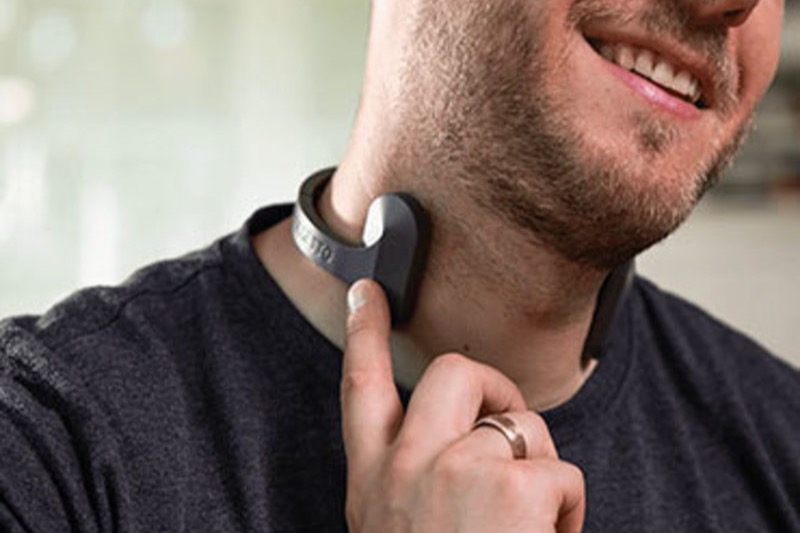
The Pulsetto is a neck-collar vagus nerve stimulator aimed squarely at everyday calm and sleep, and it costs about $269, close to a third of the US Nurosym price. It also asks for far less of your day: 4 to 10 minute sessions instead of 30 to 60.
The evidence is solid for a consumer device, too. Pulsetto is backed by a 2025 sham-controlled pilot study and averages about 4.2 out of 5 across more than 3,000 Trustpilot reviews, so a lot of people keep using it.
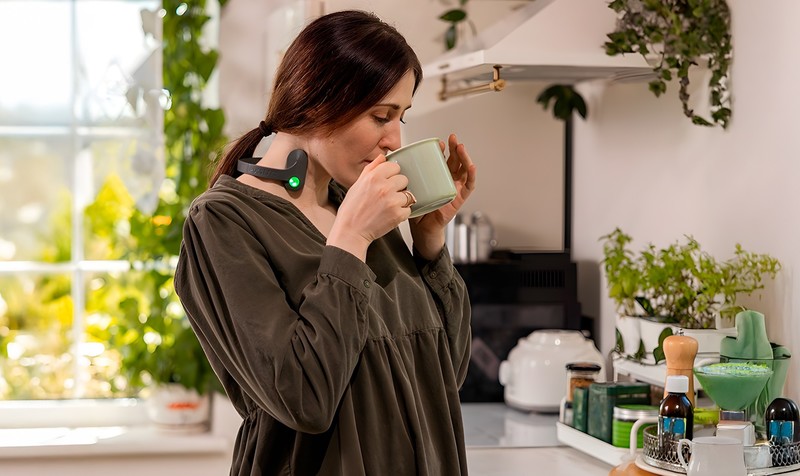
What Pulsetto doesn’t carry is Nurosym’s medical-device certification or its larger research file. That’s the real trade: less clinical standing, most of the everyday benefit, a fraction of the price. Our full Pulsetto vs Nurosym comparison lays them side by side on evidence, session length, and cost so you can see exactly where each one wins.
The bottom line
Nurosym does work for what it’s designed to do: it’s a real, certified vagus nerve stimulator with a research base most consumer gadgets can’t match, and its studies show measurable, if modest, improvements in fatigue and anxiety. Treat it as a wellness and recovery tool, use it consistently, and it earns its place.
For the everyday goal of feeling calmer and sleeping better, the math tips the other way. A $269 device like Pulsetto delivers that in a few minutes a day, and our guides on whether Pulsetto really works and whether it’s worth it make the case, alongside the wider field in our best vagus nerve stimulator roundup. Match the device to the job you actually need done, and most people land on the one that costs less and takes less time.